
Dairy in Gippsland

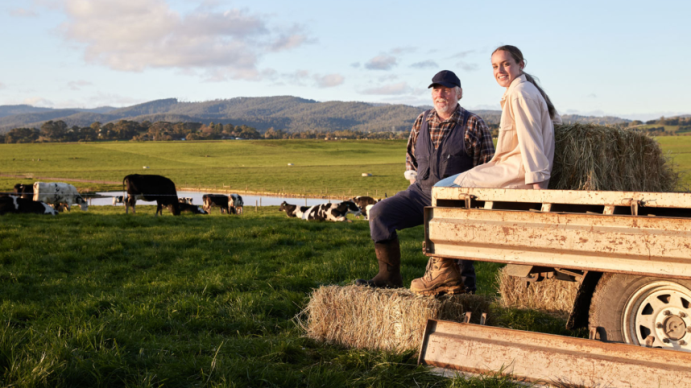
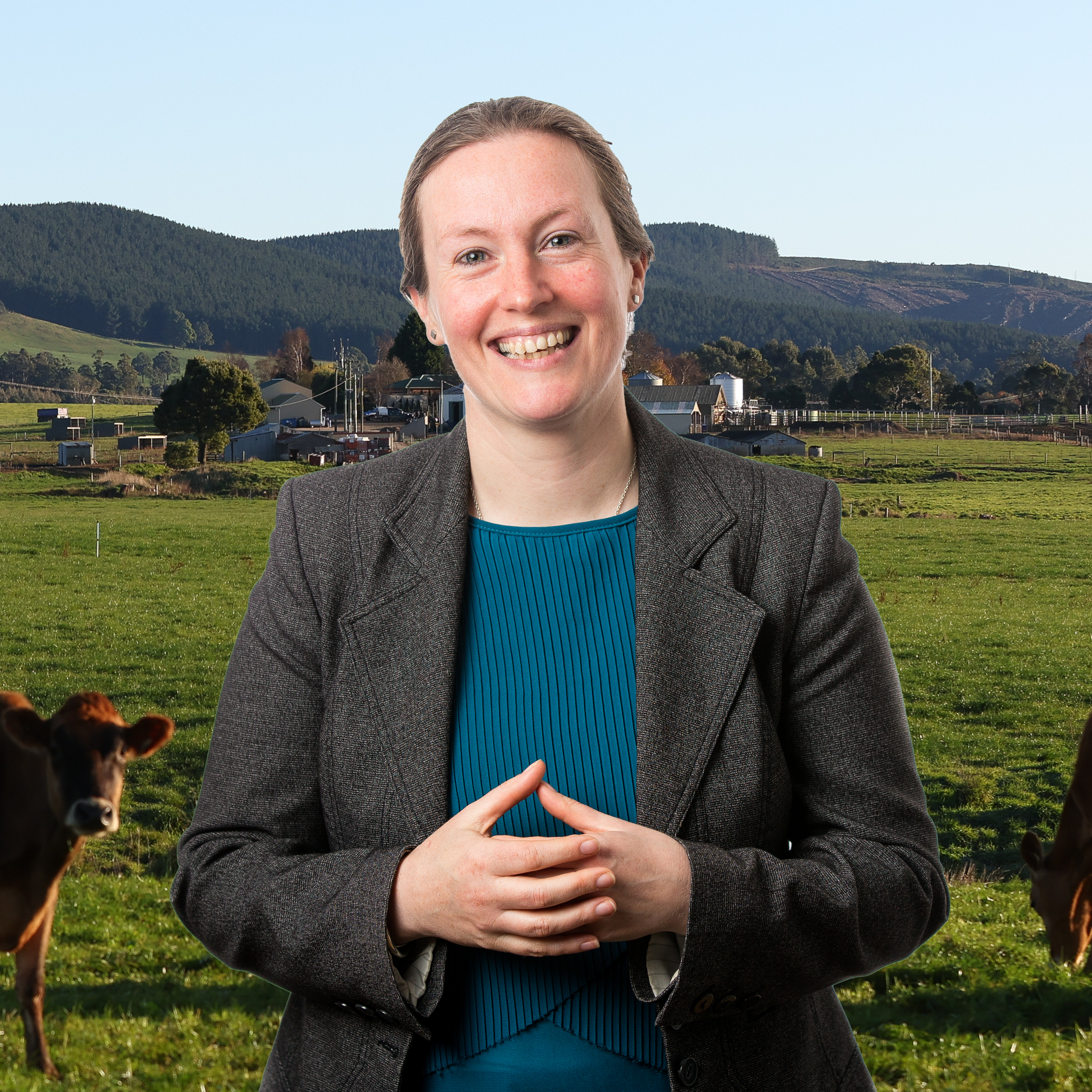
Gippsland dairy farmer.Dairying is spread across Gippsland, with the Baw Baw, Wellington and South Gippsland shires having very high numbers of dairy farms.

Dairying is important to the region’s wealth, as it is the biggest agricultural contributor to the local economy (see Chart 1).


In 2008/09, the region’s rainfall was 16-30% down on the 30-year average, which impacted heavily on farms in the traditionally low rainfall zones of Yarra Valley, Phillip Island, Lang Lang, Gormandale, Yarram and parts of east Gippsland. Farms in these areas, therefore, had much reduced profits compared to those in the high rainfall zones and the Macalister Irrigation District, which generally did well financially, despite the decrease in milk price that occurred in December.
 

Gippsland dairy statistics

  • Gippsland dairy farmers produce 2.1 billion litres or 23% of the national milk production.
  • The average farm is 155ha and milks 289 cows producing 1.7 million litres or 126,000kg of milk solids (fat and protein).
  • 30% of dairy farms are staffed by the owner or ownership couple.
  • 53% of farms calve on a seasonal basis and the others split calve to produce milk year-round.
  • Gippsland dairying employs 6,800 people, who work either on-farm or in the processing and manufacturing sector.
  • 16 dairy companies source Gippsland milk for processing and manufacturing.
  • Farm numbers fell 3% in 2008/09, from 1,779 to 1,714 (Dairy Food Safety Victoria).
  • 30% of Gippsland dairy farms are located in the Macalister Irrigation District, 47% are in regions of high rainfall and 23% are in low rainfall zones, with someaccessing groundwater to irrigate small areas.
  • 68% of the average cow’s diet is ryegrass (85% from perennial ryegrass and 15% from annual ryegrass). Diets are topped up with grain and concentrate supplements (24%), followed by brought-in or home-grown fodder (8%).


Chart 1: Value of Agricultural Commodities

Value of Agricultural Commodities chart.

Value of agricultural commodities 2006/07, $ million (Source: Australia Bureau of Statistics and the Department of Primary Industries, Victoria).

Further facts were collected by Dairy Australia during its annual ‘Situation and Outlook survey’ and are available from the documents and links provided above.